30 minutes. That’s the magic number you have to wait when you take this medication. If you swallow it with a full glass of water and head straight to breakfast, you might as well be throwing the dose down the drain. It’s a specific, somewhat finicky way to start your day, but that is the price of admission for an oral version of a very powerful drug.
If you’ve been living with type 2 diabetes for a while, you know the drill. You probably have a cabinet full of different pills, maybe even a needle or two. Most people think of diabetes management in terms of injections, but that is changing. Rybelsus, the brand name for semaglutide, has changed the conversation by putting that same active ingredient into a small, once-daily tablet.
We’re seeing this shift everywhere in modern medicine. People want convenience. They want to avoid the “needle phobia” that comes with subcutaneous injections. This tablet is designed to do the heavy lifting of managing blood sugar without making you feel like a patient every time you reach for a pill bottle.
How the Science Actually Works Inside You
It is easy to think of a pill as just a chemical entering your system, but Rybelsus is more like a biological instructor. It belongs to a class of drugs called GLP-1 receptor agonists. Basically, it mimics a hormone your body naturally produces when you eat. It tells your pancreas to wake up and start producing insulin when your blood sugar starts to climb.
The mechanism is clever. It doesn’t just blindly dump insulin into your bloodstream. Instead, it helps your body respond to the food you actually eat. It also tells your liver to stop dumping extra sugar into your system when you don’t need it. This multi-pronged approach also slows down how fast your stomach empties, meaning food stays in your system longer.
Because it slows digestion, you don’t get those massive, jagged spikes in blood sugar after a meal. You get a smoother, more manageable curve. This is why it is used along with diet and exercise to improve blood sugar in adults. It isn’t a magic wand that replaces a healthy lifestyle; it is a tool that makes the biology of your diet work for you instead of against you.
You might be wondering if it’s just a weaker version of the injectable stuff. The answer is a bit more nuanced. While the active ingredient, semaglutide, is the same, the way your body absorbs it via the stomach is a completely different beast compared to a needle. The oral delivery system has to survive the harsh environment of your stomach acid to get that medicine into your bloodstream.
This is why the “30-minute rule” is so non-negotiable. If you have food or even a big gulp of water in your stomach, it interferes with the absorption of the semaglutide. You need that empty, quiet window to ensure the medication actually makes it through the gut wall. It requires discipline, but it is the only way to get the full benefit of the dose.
The Dosage Dance and What to Expect
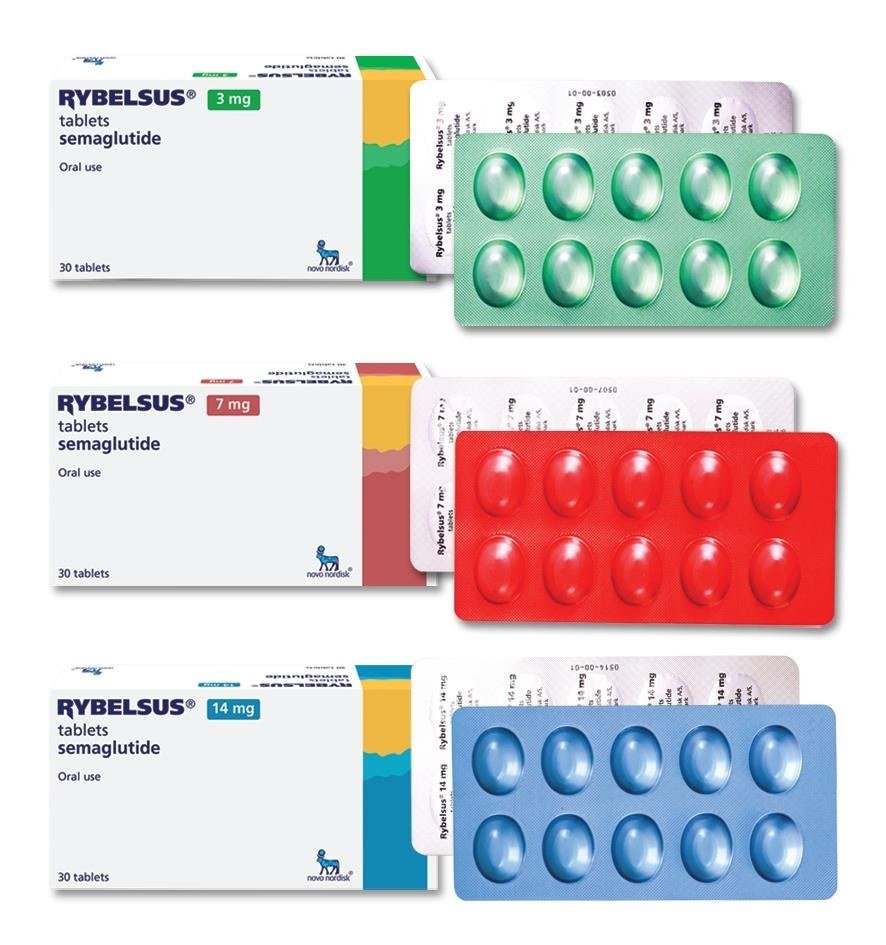
Doctors don’t usually just hand you the highest dose on day one. That would be a recipe for a very bad time in the bathroom. Most treatment plans start low to see how your body handles the medication. You will likely start at a lower dose before your doctor moves you up to the 7 mg or 14 mg levels to reach your target A1C.
The goal is to reduce your A1C levels over time. A1C is that three-month average of your blood sugar, and getting that number down is the primary objective. If your doctor feels you aren’t meeting your goals, they might adjust your dosage. It is a titration process, a slow, steady climb toward the right level for your specific metabolism.
When you are looking at the costs of your regimen, it is worth checking the rybelsus price to see how it fits into your monthly budget. Since this is a daily medication, the long-term cost is something every patient has to consider alongside their insurance coverage. It isn’t a one-time purchase; it is a commitment to a daily rhythm.
| Dosage Level | Typical Use Case | Main Goal |
|---|---|---|
| Initial Dose | Starting the medication | Acclimatize the body to semaglutide |
| 7 mg Tablets | Maintenance or Step-up | Steady blood sugar control |
| 14 mg Tablets | Higher-level management | Reducing A1C in stubborn cases |
Consistency is everything. If you miss a dose, you can’t just double up the next day to catch up. That would be a disaster for your stomach. You have to stay steady. If you are a person who struggles with a morning routine, this might be a challenge. But consistency is the engine that drives the clinical results.
It is a slow game. You won’t wake up tomorrow with perfect blood sugar. It takes weeks of consistent daily dosing to see the true impact on your A1C levels. You have to trust the process and the way the medicine interacts with your hormones over time.
Managing the Stomach Upset
Let’s be real: the side effects can be a bit of a nuisance. Since the drug works by slowing down how fast your stomach empties, it makes sense that your stomach might feel a little… confused. Nausea is the big one. Many people report feeling “full” even if they haven’t eaten much, or a general sense of queasiness.
Other common issues include:
- Diarrhea or constipation
- Stomach ache or cramping
- Feeling nauseated, especially if you eat heavy, greasy meals
- A decreased appetite (which is often the goal, but can feel strange initially)
Most of these issues tend to settle down as your body gets used to the medication. It is a transition period. We often see people find that the nausea hits hardest if they eat a large, high-fat meal shortly after taking their pill. If you keep your meals smaller and more frequent, the “fullness” sensation is much easier to manage.
Does it ever get easier? For most, yes. The body is incredibly good at adapting to new chemical signals. If the nausea is constant or severe, call your doctor. You shouldn’t just white-knuckle through debilitating pain, but mild queasiness is a common part of the learning curve. It is a trade-off for the blood sugar control you are gaining.
You have to listen to your body. If you feel like you can’t eat, don’t force a giant plate of pasta. Focus on protein and small, frequent bites. Since the drug is working on your satiety signals, trying to fight them can lead to a very uncomfortable afternoon. Work with your biology instead of against it.
Comparing the Options
A common question is whether Rybelsus is the same as Ozempic. It’s a fair question because they both use semaglutide. The active ingredient is identical, but the delivery method is not. Ozempic is an injection you give yourself once a week. Rybelsus is a pill you swallow once a day. This changes the “vibe” of your treatment significantly.
Some people ask if it is like metformin. It isn’t. Metformin has been around forever and works in a different way. It mainly focuses on how your liver produces glucose and how your cells respond to insulin. Rybelsus is much more focused on the hormonal response to food. They are different tools for different jobs, though doctors sometimes use them together in complex cases.
The choice usually comes down to lifestyle and preference. If you hate needles, the pill is a dream. If you are someone who is terrible at remembering a daily pill but is great at a weekly injection, the injection might actually be better for you. There is no “correct” answer, only the one that fits your life.
Here is a quick breakdown of how they compare in the real world:
- Rybelsus: Daily pill, easy to store, requires a strict empty-stomach routine.
- Ozempic: Weekly injection, longer-lasting, requires more storage planning (fridge).
- Metformin: Daily pill, older technology, different primary mechanism.
It’s about the fit. Your doctor will weigh your A1C, your current weight, your history of nausea, and your lifestyle to decide which path is best. Don’t feel like you are locked into one choice forever. If the pill makes you feel sick, or if the injection is too much, there are other ways to approach your diabetes management.
Every patient is an outlier. What works for your neighbor might be a nightmare for you. We see people switch between these medications all the time as their needs evolve and their bodies react to the different delivery methods.
The conversation around diabetes is shifting toward these more targeted, hormone-mimicking therapies, and it is a massive change for how we think about chronic care.
Quick answers
Are Ozempic and Rybelsus the same?
Both contain the same active ingredient, semaglutide, but Ozempic is an injectable medication while Rybelsus is an oral pill.
How much weight can I lose with Rybelsus in a month?
Weight loss varies by individual, but clinical studies show steady progress over several months rather than a specific amount per month.
What are the side effects of taking Rybelsus?
Common side effects include nausea, vomiting, diarrhea, and stomach pain, particularly when starting the medication.
Is Rybelsus the same as metformin?
No, Rybelsus is a GLP-1 receptor agonist, whereas metformin is a biguanide that works through a different biological mechanism.
How should I take Rybelsus?
Rybelsus must be taken once daily on an empty stomach with at least 16 ounces of plain water, at least 30 minutes before any food or other medications.